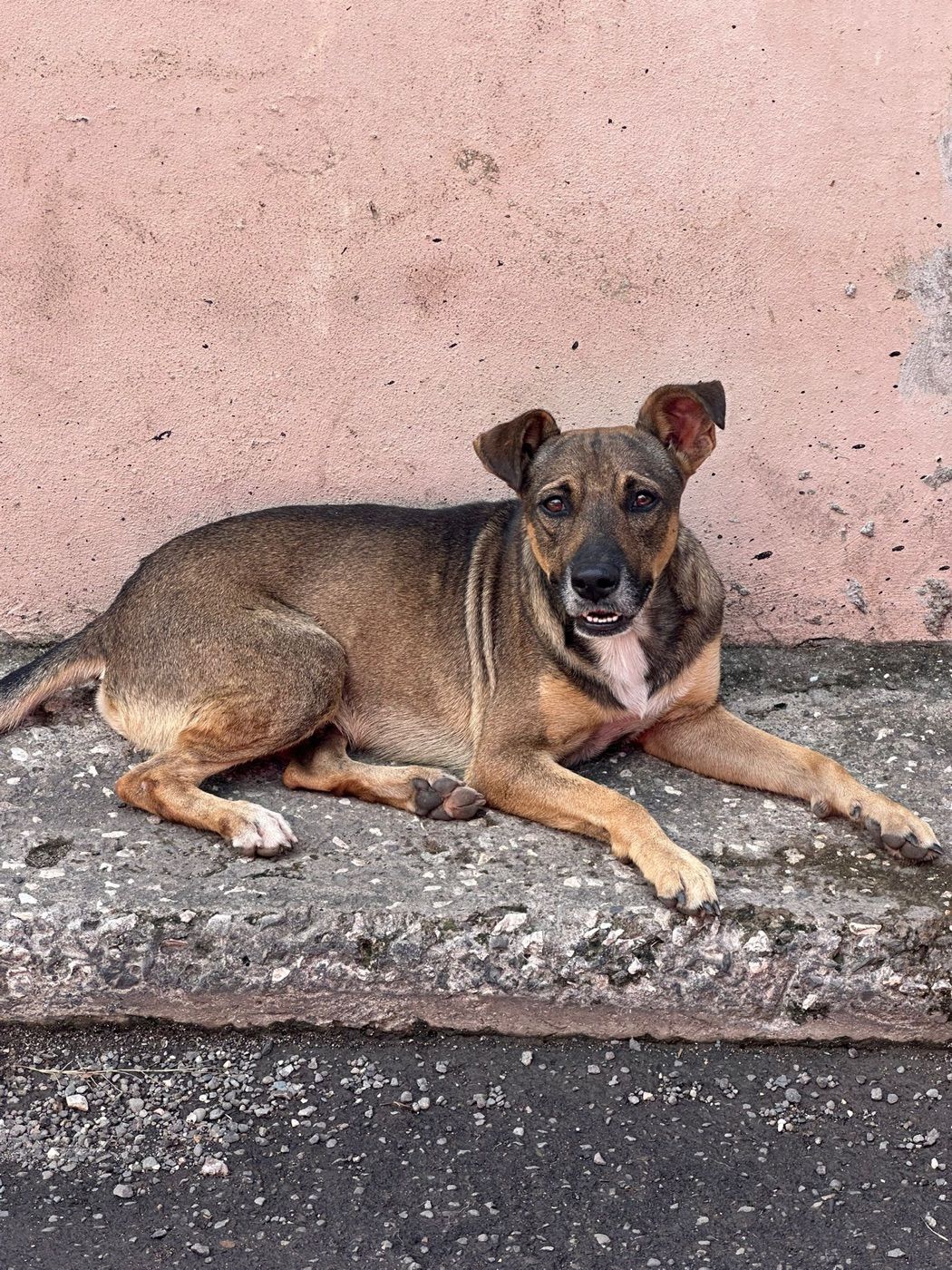
Feeding a hungry dog helps that dog today. But if we want to reduce suffering for the long term, we have to deal with the root of the problem — and that means spaying and neutering.
One surgery, hundreds of dogs spared
A single unspayed female and her offspring can be responsible for an enormous number of puppies over just a few years. On the streets, most of those puppies face hunger, disease and danger from the moment they’re born. Each spay or neuter surgery quietly prevents hundreds of future strays from entering that cycle.
That’s why population control through neutering is recognised worldwide as the most humane and effective way to help street‑dog populations — far more than feeding alone ever can be.
What spaying and neutering also does
It isn’t only about numbers. Neutering brings real health and welfare benefits:
- It reduces certain cancers and life‑threatening infections.
- It calms roaming and fighting, which means fewer injuries and road accidents.
- It makes dogs healthier candidates for adoption and rehoming.
Our campaign is launching soon
We’re preparing our first organised spay and neuter campaign in Jamaica, in partnership with another rescue organisation — an announcement is coming soon. At £95 per surgery, it’s one of the highest‑impact things your donation can fund, and gifts at that level are set aside specifically for it.
If you’d like to be part of breaking the cycle, you can donate towards a surgery now, or read more about how we help Jamaica’s stray dogs.